


 Password Manager
 Identity Theft Protection

 Team / Business
 Enterprise
 Government
 MSP
MSP

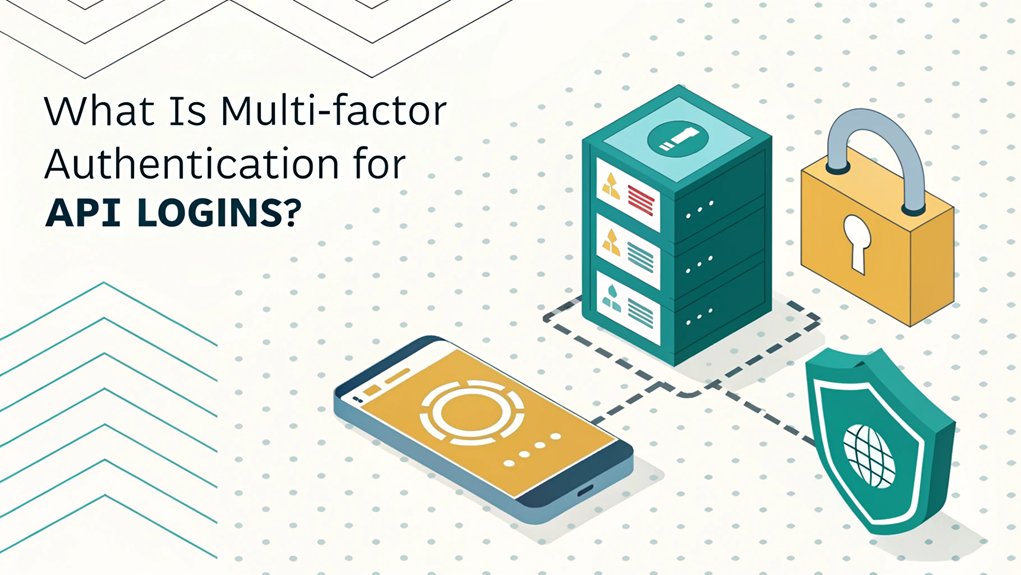
In the ever-evolving landscape of cybersecurity, leaked passwords have become a pressing concern for users worldwide, serving as a gateway for cybercriminals to access sensitive information. These compromised credentials often surface in data breaches across various platforms, from social media sites to online banking services, highlighting the vulnerabilities that exist in our digital lives. The significance of these leaks cannot be overstated, as they not only expose personal data but also erode trust in the security of digital services. For users, the relevance of understanding the implications of leaked passwords is paramount, as it underscores the necessity for robust security measures, such as multi-factor authentication, to safeguard their online presence.
Key Highlights
- Multi-Factor Authentication requires users to verify their identity through multiple methods when accessing APIs, combining passwords, tokens, and biometric data.
- MFA creates multiple security barriers for API logins, reducing hacking incidents by 99% when combined with traditional password protection.
- Common MFA methods for API access include SMS codes, authentication apps, biometric verification, hardware tokens, and push notifications.
- MFA protects APIs from unauthorized access by requiring hackers to simultaneously overcome multiple authentication challenges.
- Implementation includes user verification through something they know (password), have (token), and are (biometric data).
Understanding MFA and Its Role in API Security
Imagine your favorite video game asking for a secret password – that's kind of like MFA for APIs! But wait, there's more to it than just one password.
Think of MFA like a superhero's security system. Just like how you might need a special badge AND a secret handshake to join a club, APIs use multiple ways to check if you're really you! It's like having three locks on your door instead of just one. Multi-Factor Authentication is crucial for securing online applications and protecting sensitive information.
Vulnerable APIs can harm companies if hackers break in and steal important information. I love explaining MFA using my lunch box as an example. First, I need my key to open it (that's one factor).
Then, I need to enter a special code (that's another factor). And sometimes, it even scans my fingerprint (how cool is that?)!
Have you ever used something that asks for more than one password? That's MFA in action!
The Core Components of Multi-Factor Authentication
Security superheroes, let's uncover the building blocks of MFA! Just like your favorite superhero needs different powers to save the day, MFA uses different ways to make sure you're really you when logging in. Think of it as your secret identity protection kit!
When authenticating through APIs, the OOB challenge request adds an extra shield of security.
Here are the super-cool authentication factors we use:
- Something you know (like your favorite ice cream flavor password)
- Something you have (like your special decoder ring or phone)
- Something that's part of you (like your fingerprint – how cool is that?)
- Where you're (like being at your superhero headquarters)
MFA combines these authentication factors to significantly enhance security. I bet you've already used MFA without knowing it! When your mom texts you a code to access your tablet, or when you use your fingerprint to open apps – that's MFA in action!
How MFA Strengthens Your API Defense System
Now that we recognize the super-cool parts of MFA, let's see how it works like a force field around your APIs!
Think of it like having a treasure chest with three different locks – pretty clever, right? Even if a sneaky pirate figures out one lock, they still can't get in!
I'll tell you a secret: MFA is like playing "Red Light, Green Light" with bad guys. They have to stop at each checkpoint and prove they're allowed to be there! You need something you know (like a password), something you have (like your mom's phone), and sometimes even something special about you (like your fingerprint). MFA significantly enhances overall account security, making it harder for unauthorized users to gain access.
Isn't it amazing? With MFA protecting your APIs, those tricky hackers can't just guess their way in – they'd need to solve three puzzles at once! This security approach has shown to reduce hacking incidents by a whopping 99% when combined with passwords.
Essential Steps to Implement MFA for APIs
Setting up MFA for your APIs is like building a super-secret clubhouse with three special doors!
You'll need to make your API extra safe by adding special locks that only let the right people in. Think of it like having a password plus a magic code sent to your phone! Adding multiple authentication factors can reduce security breaches by up to 99.9% compared to using passwords alone.
Here's what you need to do to make your API super secure:
- Turn on MFA settings in your cloud console (it's like flipping a special switch!)
- Pick how you want users to prove it's really them (like getting a text message)
- Create special rules about when people need to use MFA
- Add MFA checks to your important API actions (like moving money around)
I like to think of MFA as having backup superpowers – if one fails, you've got others ready to protect you!
Choosing the Right MFA Factors for Your API
Have you ever picked different snacks for different friends because you know what they like best? That's exactly how I pick MFA factors for different API users!
Some people love using their phones to get special codes by email or text – just like how some friends prefer chocolate while others like candy.
For users who always carry smartphones, I suggest using special authenticator apps that create magic numbers. It's like having a secret decoder ring!
If someone needs extra-strong security (like protecting their superhero identity!), I recommend using special security keys that plug into computers. These extra layers help prevent unauthorized access even if passwords get compromised.
The most important thing is picking what works best for each person. Just like you wouldn't give spicy food to someone who doesn't like it, you want to choose MFA factors that make users feel comfortable and safe.
Real-World Benefits of MFA in API Protection
Security heroes, listen up! I've got some amazing news about MFA (that's Multi-Factor Authentication) and how it protects your APIs like a super-strong shield. Did you know it blocks almost ALL the bad guys trying to break in? That's right – 99.9% of them!
Here's what makes MFA so awesome for your APIs:
- It's like having a magic force field that stops hackers (just like in your favorite video games!)
- It's better than just using a password – imagine needing both a secret code AND your fingerprint
- It keeps your data safe even when bad guys steal passwords
- It's like having a triple-lock system on your digital treehouse
I love how MFA works everywhere – from cloud computers to phones. You can even use OneLogin Protect push notifications to instantly verify your identity without typing codes.
Think of it as your digital superhero sidekick, always keeping you safe!
Best Practices for API Authentication With MFA
When building strong API defenses, it's super important to pick the right MFA tools – just like choosing the perfect ingredients for a yummy recipe!
You know how you need a special key to open your treasure box? Well, APIs need multiple "keys" too! I'll show you how to make them super secure.
First, offer different ways to prove it's really you – like fingerprints, special codes sent to phones, or even cool hardware tokens (they're like tiny secret decoders!).
Next, make sure to store these special "keys" in a safe place, just like you'd keep your favorite toy in a special spot.
Have you ever played "Simon Says"? MFA works kind of like that – you need to follow specific steps in the right order to get in!
Remember to rotate API keys regularly to keep your authentication system extra safe and secure.
Frequently Asked Questions
What Happens if a User Loses Access to Their MFA Device?
I'll help you get back into your account if you lose your MFA device!
First, you'll need to contact an administrator who can help deactivate your lost device.
Then, you can set up a new one. It's like getting a spare key when you lose the original!
I always recommend having a backup MFA device ready, just like keeping an extra snack in your backpack.
Can MFA Slow Down API Response Times During Authentication?
I've got good news! MFA doesn't usually slow down API response times during authentication.
Think of it like showing your hall pass at school – once you've got it, you can zoom through the hallways!
The actual slowdown only happens when you first log in to get your special "pass."
After that, your API calls run just as fast as they'd without MFA.
Cool, right?
How Often Should Organizations Rotate or Update MFA Credentials?
I recommend rotating your MFA credentials every 60-90 days.
It's like changing your toothbrush – you don't want to keep using the same one forever!
For super-secret stuff, you might want to update more often.
I'd set up automatic reminders, just like how your phone tells you when it's time to update your apps.
Keep in mind that some industries have special rules about how often you need to change things.
Are There Backup Authentication Methods if Primary MFA Factors Fail?
Yes, I've got great news! If your main MFA stops working, there are backup plans ready to help you get back in.
Think of it like having a spare key to your house! You can use things like special codes sent to your email or phone, answer security questions (like your pet's name), or use a different device you've set up before.
It's just like having a backup snack in your lunchbox – always there when you need it!
Can Legacy Systems Be Retrofitted to Support Modern MFA Requirements?
Yes, I can help you understand how legacy systems can get a security upgrade!
Think of it like giving an old bike new safety features. Legacy systems can be retrofitted with modern MFA through special tools and solutions.
I've seen companies use things like identity orchestration to add MFA without changing the core system.
It's like putting a new lock on an old door – it still works, just more securely now!
The Bottom Line
While multi-factor authentication (MFA) significantly enhances your API security, it's essential not to overlook the foundation of that security: strong passwords. The combination of a robust password strategy and MFA creates an impregnable fortress for your sensitive data. To elevate your security posture even further, consider implementing a password management system to generate, store, and manage your passwords securely. This not only helps in maintaining unique passwords for different accounts but also simplifies the login process. Additionally, with the rise of passkeys, you can explore a new method of authentication that eliminates the need for traditional passwords entirely. Start your journey toward stronger password and passkey management today! Sign up for a free account at LogMeOnce and take the first step towards a more secure digital experience. Don't wait until it's too late; secure your API and personal data now!

Mark, armed with a Bachelor’s degree in Computer Science, is a dynamic force in our digital marketing team. His profound understanding of technology, combined with his expertise in various facets of digital marketing, writing skills makes him a unique and valuable asset in the ever-evolving digital landscape.


